

1-on-1 dog training in Birmingham | Wolverhampton | West Bromwich
Dog Training Classes In Birmingham
Working with a dog behaviourist requires commitment, consistency and open communication from all involved. Clients are expected to follow the agreed training and management plans, as progress depends heavily on regular practice and the implementation of strategies within the home.
It is important that owners are honest about their dog’s behaviour, safety concerns, and any challenges they face so that the behaviourist can adjust the plan appropriately. Clients should also ensure that all members of the household are willing to participate and maintain the same rules and routines, as inconsistent handling can slow or prevent progress. Dog Training Sessions should be attended on time, and any changes in a dog’s health, environment, or behaviour should be reported promptly. Above all, clients are expected to approach the process with patience, realism, and a willingness to learn, since lasting behaviour change comes from supporting both the dog and the humans responsible for their daily care.

What to expect
Clients can expect their dog behaviourist to provide a professional, evidence-based and welfare-focused service tailored to the individual needs of their dog and household. A behaviourist will conduct a thorough assessment, gather detailed history, and observe the dog’s behaviour to create a personalised plan grounded in science and best practice. Clients will receive clear explanations, practical guidance, and ongoing support throughout the training process, with regular adjustments made as the dog progresses. The behaviourist will work collaboratively, ensuring that owners understand the reasoning behind each recommendation and feel confident implementing the strategies at home. Professionalism, confidentiality, transparency in pricing, and a commitment to safety and ethical standards are central to the service. Ultimately, clients can expect respectful communication, compassionate handling of their dog, and a structured approach designed to achieve meaningful, lasting behavioural change.
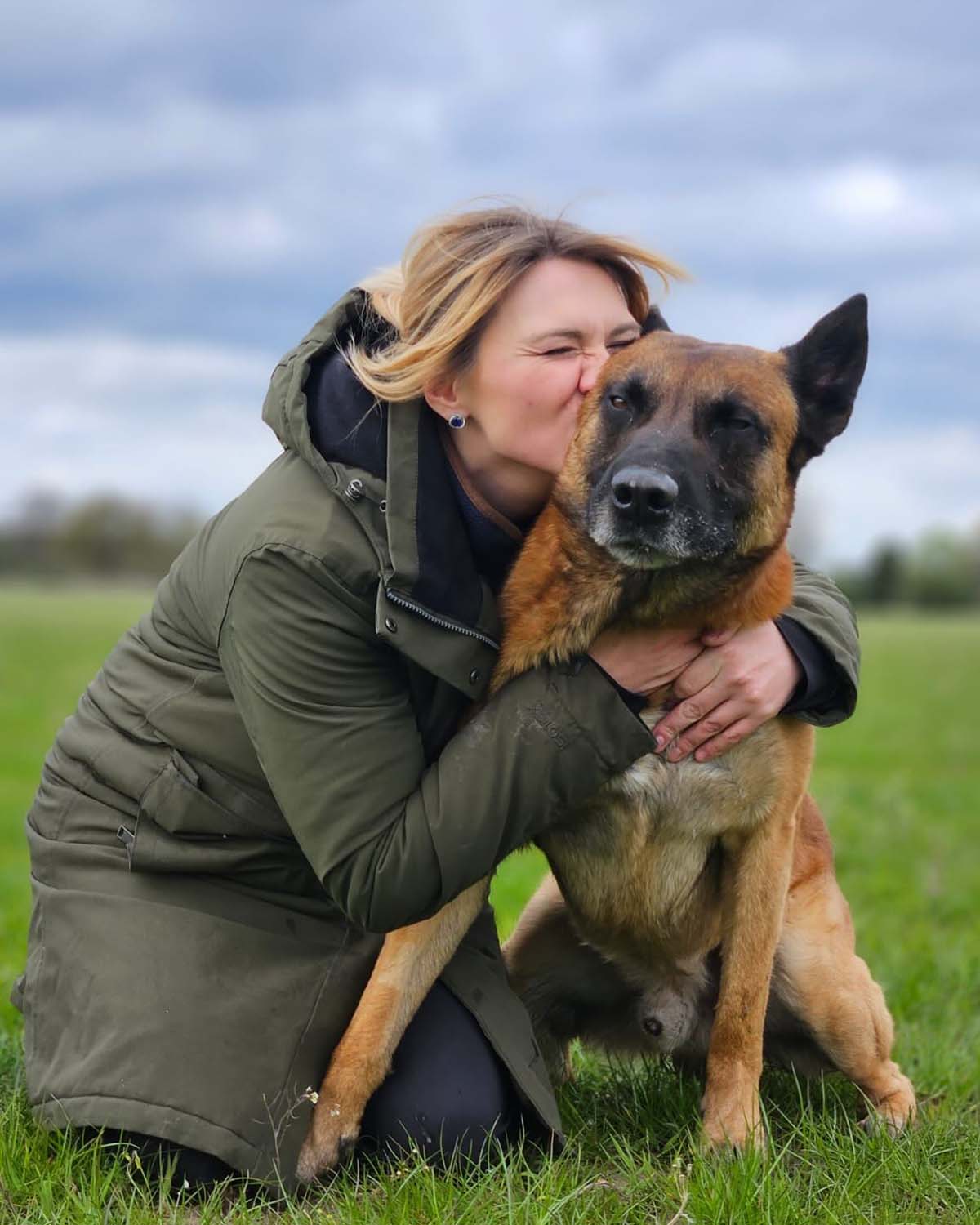
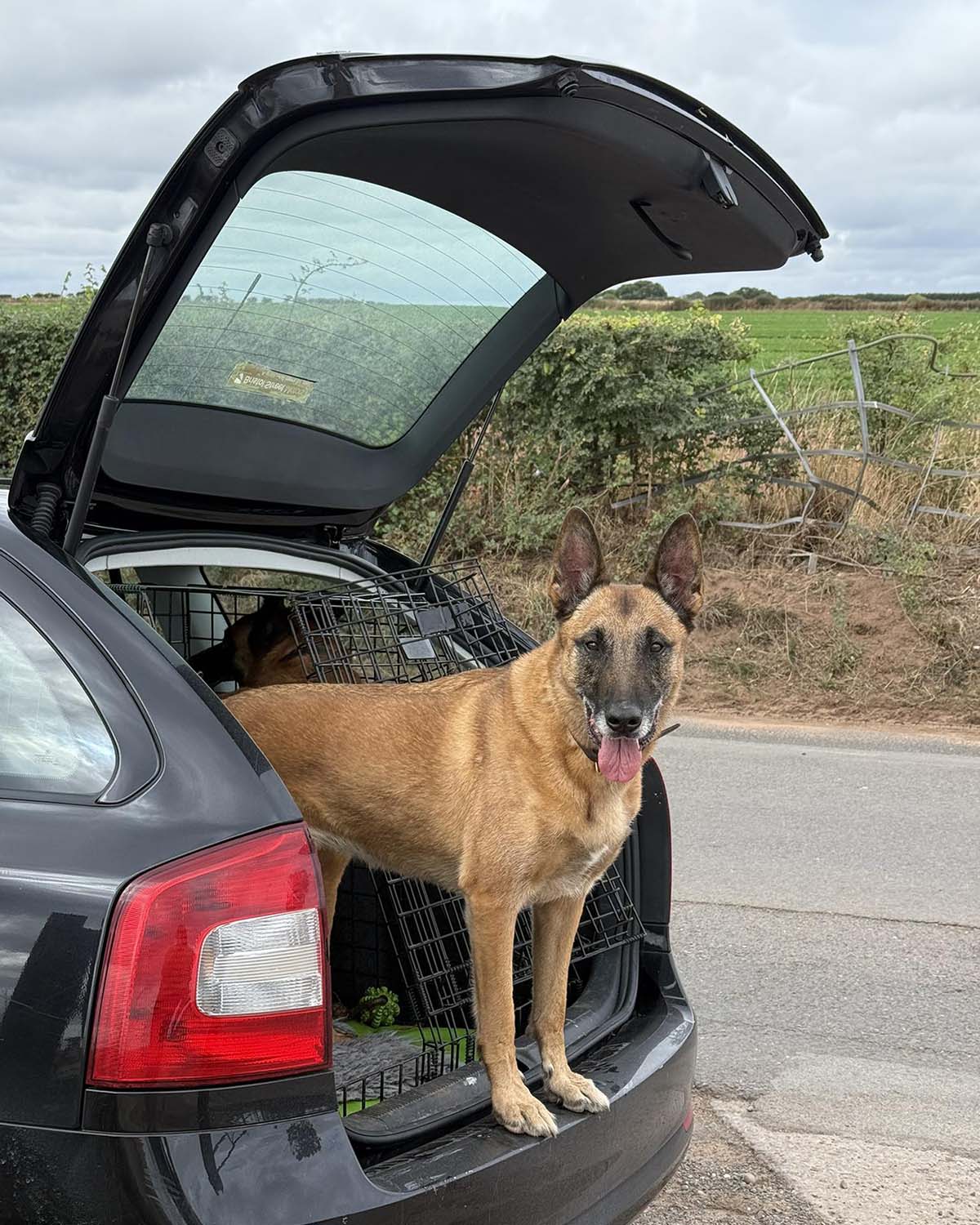
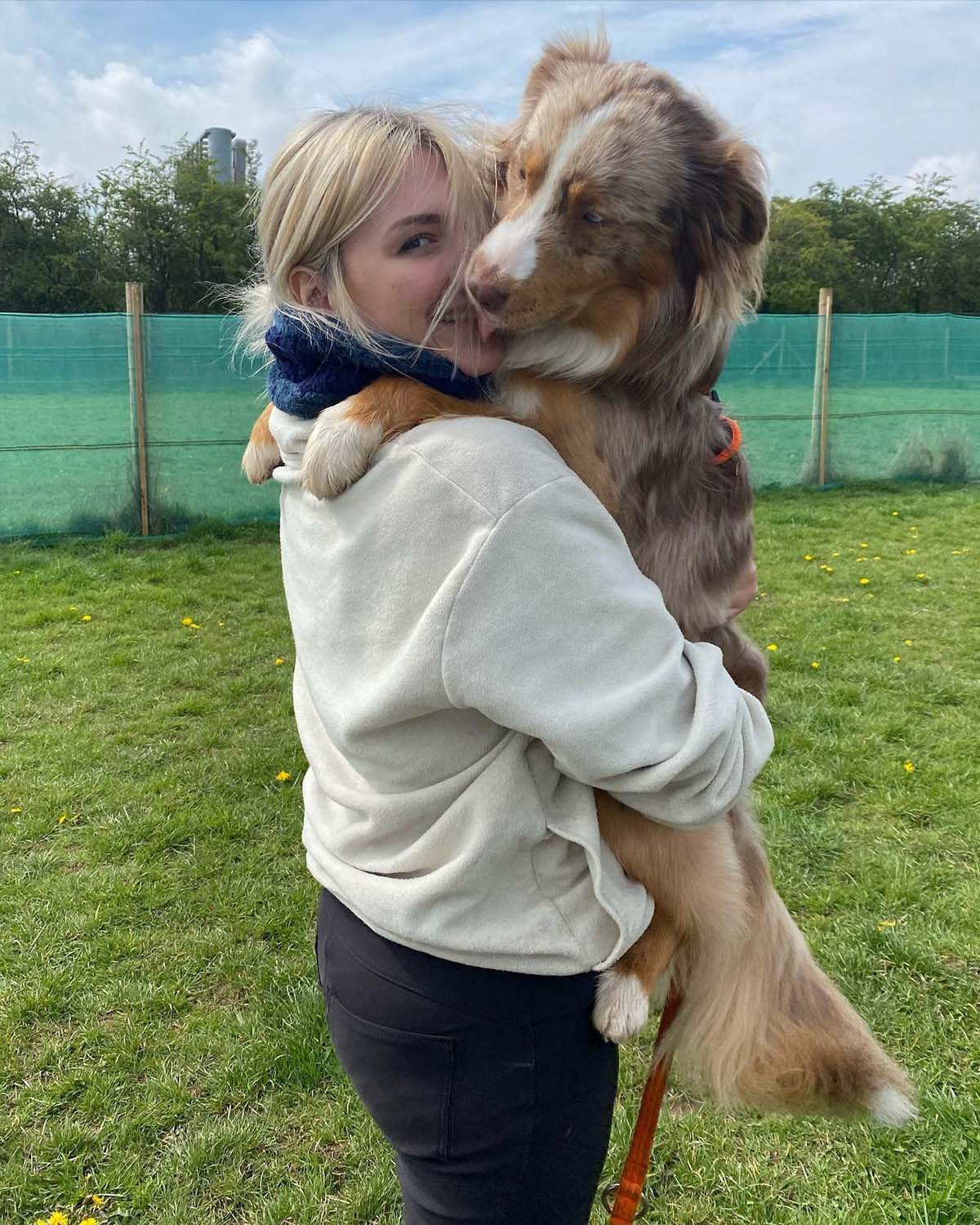

Tailored to You
Our qualified specialists understand that sometimes you need that little extra help and guidance from us to control and better manage your dog’s behaviours. We offer private tuition to customers at your most convenient location - schedule a meeting at your home, local park or anywhere else.
Training Package
From £80 Per Hour (dependent on issue)
- Priced depending on the individual issue

Designed for All Dogs
The team at Trainapup utilises reward-based, science based methodologies to deliver bespoke training packages packages for dogs of all sizes, ages and breeds. Enquire with our team to secure expert advice on your dog’s behaviours to help foster a better relationship with your dog and improve their obedience and socialising skills.
Behavioural Issues Commonly Addressed by a Dog Behaviourist
Aggression-Related Behaviours
• Aggression toward people (family members or strangers)
• Aggression toward other dogs
• Resource guarding (food, toys, space, or people)
• Fear-based or defensive aggression
• Territorial aggression
• Predatory behaviour toward animals
• Redirected aggression
Anxiety, Fear and Stress
• Separation anxiety or isolation distress
• Generalised anxiety
• Noise phobias (fireworks, thunder, household sounds)
• Fear of people, dogs, or specific situations
• Travel or car anxiety
• Veterinary or grooming fear
• Stress-related behaviours
Reactivity and Impulse Control
Compulsive & Repetitive Behaviours
• Tail chasing
• Excessive licking or chewing
• Shadow or light chasing
• Spinning or pacing
• Self-mutilation behaviours
Destructive and Nuisance Behaviours
• Destructive chewing
• Digging
• Excessive barking or vocalisation
• Stealing items
• Counter surfing
• Escaping or roaming behaviours
Elimination Issues
• House soiling (indoors)
• Scent marking
• Anxiety-related toileting issues
Puppy & Adolescent Behaviour Challenges
• Biting and mouthing
• Jumping up
• Poor socialisation
• Fear periods
• Inappropriate play behaviours
Trauma-Related & Rescue Dog Issues
• Behaviour problems linked to past neglect or abuse
• Adjustment difficulties in new homes
• Shutdown or learned helplessness behaviours
Relationship and Handling Difficulties
• Handling sensitivity
• Resistance to grooming, harnessing, or restraint
• Difficulty with recall and engagement
• Poor communication between dog and owner